You’re scrolling through TikTok comments, laughing at memes on X, or deep into a group chat when suddenly someone types.
Or is this another internet slang word everyone somehow understands except you?
Don’t worry you’re not alone.
The term “oop” has exploded across social media, memes, reaction videos, and texting culture.
It’s short, dramatic, funny, and surprisingly flexible. But depending on the situation, it can mean different things.
In this guide, you’ll learn the real oop meaning, where it came from, how people actually use it online, and when you should or shouldn’t say it yourself.
Let’s break it down.
What Does “OOP” Mean?
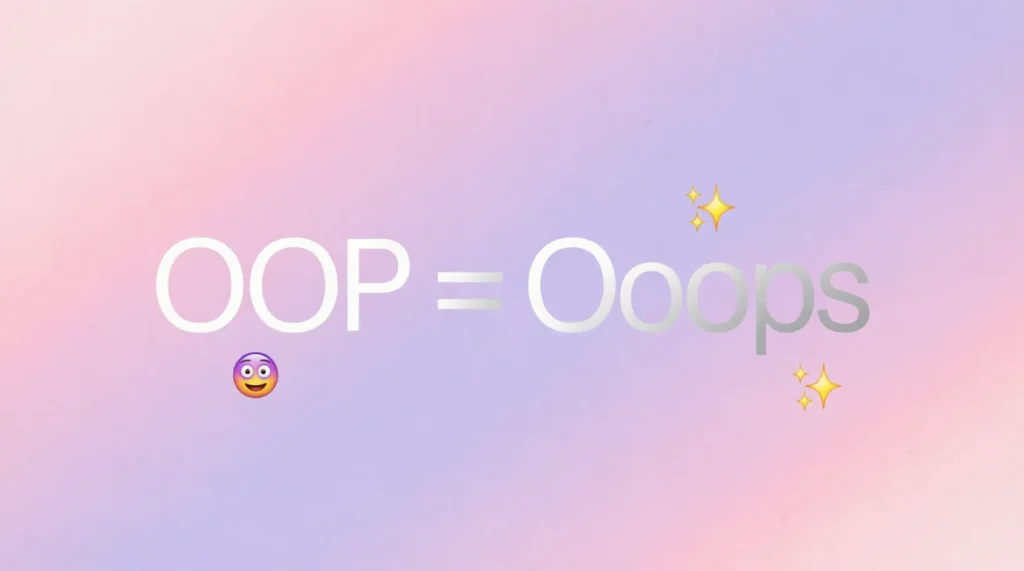
“OOP” is an internet slang expression used when someone is surprised, shocked, embarrassed, caught off guard, or reacting to unexpected drama.
It’s basically the online version of saying:
- “Oops”
- “Uh-oh”
- “Well… that was awkward”
- “Did that really just happen?” 😳
People often type “oop” when:
- Someone gets exposed
- A situation becomes awkward
- Drama suddenly appears
- They accidentally say too much
- Something funny catches them off guard
Quick Definition (Featured Snippet Style)
OOP meaning:
“Oop” is internet slang used to express surprise, awkwardness, shock, or sudden realization. It’s commonly used on social media, texting, memes, and reaction posts.
Simple Meaning of OOP
In very simple words, “oop” means “something unexpected just happened.”
It’s a reaction word.
Think of it like a tiny emotional sound people type online instead of explaining their full reaction.
Example:
Your friend accidentally sends a screenshot to the person they were talking about.
You reply:
“OOP 😭”
That one word already says:
- “That’s awkward”
- “You got caught”
- “This is messy”
- “I can’t believe that happened”
All at once.
That’s why the slang became so popular online. It’s quick, expressive, and funny.
Where Is “OOP” Used?
You’ll mostly see “oop” on social media and in casual conversations online.
Popular Platforms Where People Use It
TikTok
TikTok comments are full of reactions like:
- “oop she ate”
- “oop not the drama 💀”
- “OOP—”
It’s often used when something shocking or embarrassing happens in a video.
X (Twitter)
People use “oop” during viral moments, celebrity drama, or unexpected replies.
Example:
“He actually responded? oop 👀”
You’ll find it in meme pages, reels comments, and story replies.
Snapchat & Texting
Friends use it casually during conversations when reacting to awkward situations.
Discord & Group Chats
Especially common in gaming communities and meme-heavy chats.
Why Do People Use “OOP”?
There are several reasons this slang became popular online.
1. It’s Fast and Easy ✅
Instead of typing a whole reaction, people can just say:
“oop”
And everyone instantly understands the vibe.
2. It Adds Drama 🔥
Internet culture loves dramatic reactions.
“Oop” creates a playful, exaggerated response without sounding too serious.
Example:
“oop someone’s getting canceled 😭”
3. It Feels Funny and Relatable 😂
A lot of internet slang survives because it feels emotionally accurate.
Everyone has awkward moments.
“Oop” captures that feeling perfectly.
4. It Works in Many Situations
That’s part of its power.
It can mean:
- Surprise
- Embarrassment
- Excitement
- Being caught
- Realization
- Drama
- Accidental honesty
Few slang words are this flexible.
Real-Life Examples of OOP Meaning
Let’s look at how people actually use it online.
Example 1: Someone Gets Exposed
Person A:
“I never liked him anyway.”
Person B:
“Didn’t you date him for 3 years?”
Reply:
“OOP 💀”
Meaning:
The speaker got caught contradicting themselves.
Example 2: Unexpected Drama
“She unfollowed everyone in the friend group…”
Comment:
“oop the drama begins 👀”
Meaning:
Something messy is about to happen.
Example 3: Accidental Mistake
“I accidentally liked his photo from 2019 😭”
Reply:
“OOP RUN”
Meaning:
That’s awkward and embarrassing.
Example 4: Someone Says Something Bold
“Honestly, your ex deserved it.”
Reaction:
“oop she said it!”
Meaning:
Someone spoke bluntly or revealed hidden truth.
The Origin of “OOP”
The slang became massively popular through internet culture, especially Black online communities and meme culture.
One major viral moment came from:
Jasmine Masters
Her famous quote:
“And I oop—”
went viral online and spread across memes, TikTok, GIFs, and reaction videos.
After that, “oop” became part of mainstream internet slang.
⚠️ Important note: Like many viral slang terms, the phrase has roots in Black internet culture before becoming widely used online.
“OOP” vs Similar Internet Slang
Here’s how “oop” compares to other popular reaction words.
| Slang | Meaning | Tone |
|---|---|---|
| OOP | Surprise or awkward reaction | Funny/dramatic |
| Oops | Simple mistake | Casual |
| Yikes | Cringe or discomfort | Negative |
| LOL | Laughing | Positive/funny |
| Bruh | Shock or disappointment | Frustrated |
| Tea | Gossip or drama | Curious 👀 |
Key Difference
“Oop” usually reacts to a sudden moment.
It’s emotional and immediate.
When Should You Use “OOP”?
You can use “oop” in casual online conversations when reacting to something surprising, awkward, funny, or dramatic.
Good Situations to Use It
✅ Funny mistakes
✅ Meme reactions
✅ TikTok comments
✅ Friendly group chats
✅ Internet drama
✅ Sudden plot twists
Example:
“He brought his new girlfriend to his ex’s birthday party.”
Reply:
“oop…”
Perfect usage.
When You Should NOT Use “OOP”
Even though it’s popular, it doesn’t fit every situation.
Avoid Using It In:
❌ Professional emails
❌ Job interviews
❌ Academic writing
❌ Serious conversations
❌ Formal business chats
Example:
Bad:
“Oop, the financial report is missing.”
That would sound unprofessional.
Common Misunderstandings About OOP
1. People Think It’s a Typo
Many beginners assume “oop” means someone accidentally misspelled “oops.”
Not exactly.
While they’re related, “oop” is intentional internet slang with a dramatic reaction vibe.
2. Some Think It Has One Fixed Meaning
It doesn’t.
The meaning changes slightly depending on tone and context.
It can mean:
- “Awkward”
- “Oops”
- “Drama”
- “Caught”
- “That was unexpected”
3. It’s Not Always Negative
Sometimes “oop” is playful or excited.
Example:
“OOP she looks amazing 🔥”
That’s actually positive.
Pro Tips for Using “OOP” Correctly
Keep It Casual
“Oop” works best in relaxed conversations.
Don’t force it into formal writing.
Read the Tone First 👀
The meaning depends heavily on context.
it’s funny.
it’s shady.
it’s supportive.
Pay attention to the vibe before using it.
Emojis Make It Better 😂
People often pair “oop” with emojis like:
- 👀
- 😭
- 💀
- 😳
- 🔥
Example:
“oop 😭”
feels more expressive than just:
“oop”
Don’t Overuse It
Like all slang, using it too much can feel forced.
Natural usage always sounds better.
Is “OOP” Still Popular in 2026?
Yes — especially on:
- TikTok
- Meme pages
- Reaction posts
- Stan culture
- Online fandoms
Even though internet slang changes quickly, “oop” has stayed relevant because it’s short, expressive, and adaptable.
It’s become part of modern reaction language online.
FAQs:
What does “oop” mean in texting?
In texting, “oop” usually means surprise, awkwardness, or reacting to unexpected drama or mistakes.
Is “oop” the same as “oops”?
Not exactly. “Oops” refers more directly to a mistake, while “oop” is internet slang used as a dramatic or funny reaction.
Why do people say “and I oop”?
The phrase became popular from a viral clip by Jasmine Masters. It’s now used online when someone gets interrupted, shocked, or suddenly realizes something.
Is “oop” rude?
Usually no. It’s mostly playful or humorous. However, depending on context, it can sometimes sound sarcastic or slightly shady.
Final Thoughts
Internet slang changes fast, but some words become popular because they instantly capture a feeling people relate to. “Oop” is one of those expressions.
Whether someone gets caught in an awkward moment, unexpected drama appears, or a funny mistake happens online, a simple
The best part? It’s easy, playful, and flexible enough to fit almost any casual online conversation. Once you understand the vibe behind it, you’ll start noticing it everywhere from TikTok comments to group chats and memes.
Just remember: use it naturally, keep it casual, and don’t overthink it. Sometimes the internet’s funniest reactions are the shortest ones.
Discover more post:
| https://meaninggly.com/mb-meaning-in-text/ |
| https://meaninggly.com/what-does-tw-stand-for/ |
| https://meaninggly.com/what-does-tgif-mean-in-text/ |

Zoya is a passionate content writer and creative author with over 5 years of experience in writing engaging, informative, and SEO-friendly content. She specializes in English language topics, meanings, metaphors, literature, lifestyle, and creative writing.
She is currently working with MeaningGly, where she creates unique and reader-friendly articles that help people understand words, expressions, and modern language trends in a simple way.