

You’re chatting with a friend, scrolling through social media, or texting someone you like when suddenly they reply with just “hm.”
Now you’re stuck wondering:
- Are they thinking?
- Are they annoyed?
- Do they agree?
- Are they bored?
The truth is, “hm” can mean different things depending on the conversation, tone, and context. That’s exactly why this tiny two-letter expression often confuses people online.
In this guide, you’ll learn the complete hm meaning, where it’s used, why people use it, and how to understand what someone really means when they type it.
What Does HM Meaning?
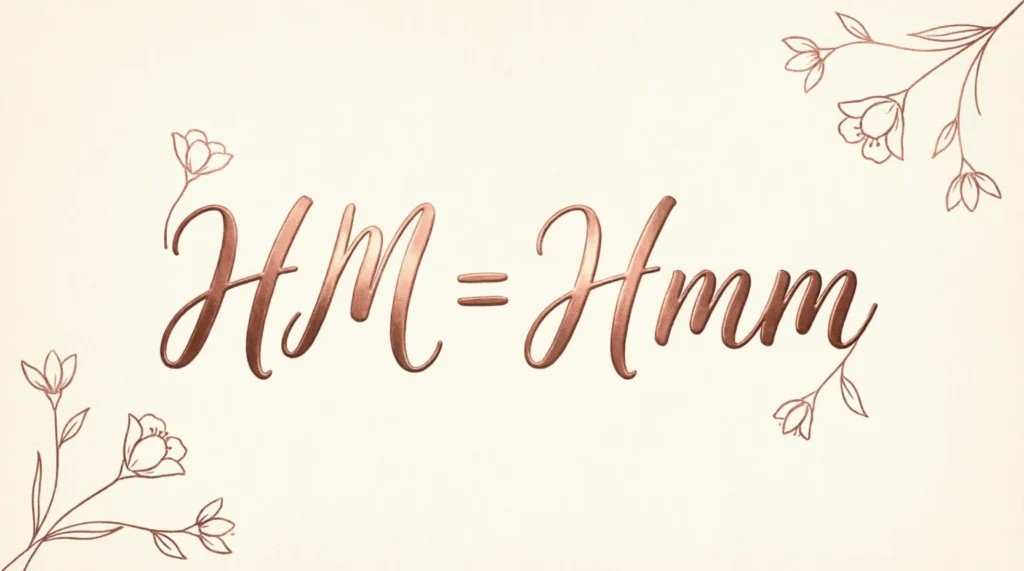
Quick Definition ✅
HM is a text-based expression used to show thinking, hesitation, curiosity, uncertainty, or mild interest in a conversation.
It is often written as:
- Hm
- Hmm
- Hmmm
- Hmmmm
The more “m’s” added, the stronger the feeling or emphasis may be.
For example:
“Hm, that’s interesting.”
This usually means the person is thinking about what was said.
Simple Meaning
In simple words, hm means “I’m thinking about it.”
It’s not a full word or acronym in most conversations.
Instead, it’s a sound people make when:
- Thinking deeply
- Processing information
- Feeling unsure
- Showing curiosity
- Expressing mild doubt
Imagine someone asking:
“Do you want pizza or burgers tonight?”
You reply:
“Hm…”
You’re basically saying:
“Give me a second, I’m deciding.”
That’s the simplest way to understand it.
Where Is It Used?
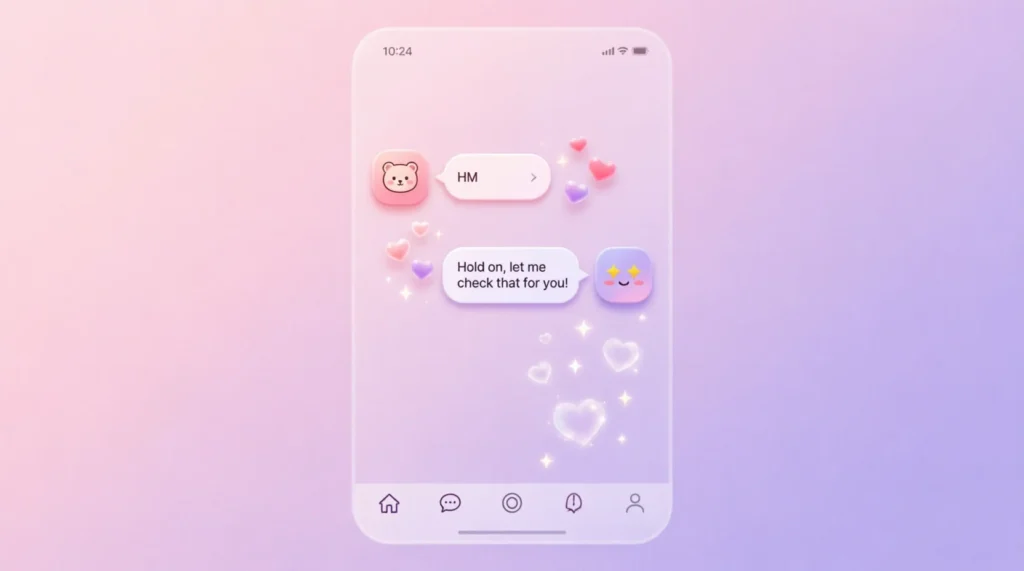
You can find hm almost everywhere online and in daily conversations.
Text Messages 📱
People often use hm while texting friends, family, or partners.
Example:
Friend: “Want to go out tonight?”
You: “Hm, maybe.”
Social Media 🌐
Platforms where hm frequently appears include:
- X (Twitter)
- TikTok
- Snapchat
- Threads
People use it in comments, captions, and direct messages.
Online Chats
You’ll often see hm in:
- Messenger
- Telegram
- Discord
- Slack
It helps people express a thought without typing a long response.
Real-Life Conversations
Even outside texting, people say:
“Hmm…”
while thinking about something.
The digital version simply copies that real-life sound.
Why Do People Use It?
There are several reasons people type hm.
1. To Show They’re Thinking 🤔
This is the most common reason.
Example:
“Hm, let me think about that.”
2. To Express Doubt
Sometimes hm suggests uncertainty.
Example:
“Hm, I’m not sure that’s correct.”
3. To Show Interest
A person may use hm when something catches their attention.
Example:
“Hm, that’s actually a good idea.”
4. To Avoid an Immediate Answer
People sometimes need time before responding.
Instead of saying nothing, they write:
“Hm.”
This keeps the conversation going.
5. To Create Suspense
Some people intentionally use hm to appear mysterious or thoughtful.
Example:
“Hm… I know something you don’t.”
Examples of HM Meaning in Real Life
Understanding context is important because the same word can mean different things.
Example 1: Thinking
Person A: “Should I switch jobs?”
Person B: “Hm, that’s a big decision.”
Meaning:
Person B is considering the situation carefully.
Example 2: Doubt
Person A: “I can finish the project in one hour.”
Person B: “Hm, really?”
Meaning:
Person B is skeptical.
Example 3: Curiosity
Person A: “I found a secret feature on my phone.”
Person B: “Hm, tell me more.”
Meaning:
The person is interested.
Example 4: Mild Disagreement
Person A: “That movie was amazing.”
Person B: “Hm, I didn’t enjoy it much.”
Meaning:
They politely disagree.
Example 5: Decision Making
Person A: “Red shirt or blue shirt?”
Person B: “Hm… blue.”
Meaning:
They thought about it before deciding.
HM vs Similar Terms
Many internet expressions look similar but have different meanings.
| Term | Meaning | Usage |
|---|---|---|
| HM | Thinking or hesitation | Casual conversations |
| Umm | Unsure what to say | Spoken and text conversations |
| Eh | Indifference or uncertainty | Informal chats |
| Oh | Realization or surprise | Reactions |
| Hmm | Deeper thought or curiosity | Texting and speaking |
| IDK | I don’t know | Direct uncertainty |
| Well… | Preparing an answer | Conversations |
Key Difference
HM focuses on thinking, while terms like IDK directly express not knowing.
When Should You Use HM?
HM works best in informal conversations.
Good Situations ✅
Use hm when:
- You’re thinking about an answer
- Something surprises you slightly
- You need more information
- You’re curious
- You’re making a decision
Example:
“Hm, let me check first.”
Situations to Avoid ⚠️
Avoid using hm in:
- Professional emails
- Business proposals
- Formal reports
- Academic writing
Instead, use clear language such as:
“Let me consider that.”
or
“I need more information before deciding.”
Common Misunderstandings
One reason hm creates confusion is that different people interpret it differently.
“HM Means Someone Is Angry”
Not always.
Many people use hm simply because they’re thinking.
“HM Means No”
Incorrect.
Sometimes hm means uncertainty rather than rejection.
“HM Is Rude”
Not necessarily.
However, a short reply like:
“Hm.”
without additional context may seem cold.
“HM Always Means the Same Thing”
Definitely not.
Context changes everything.
Compare:
“Hm, interesting.”
vs.
“Hm, whatever.”
The meanings are completely different.
Different Versions of HM and Their Meanings
Hm
A quick thought.
Example:
“Hm, okay.”
Hmm
A more thoughtful response.
Example:
“Hmm, that’s a good point.”
Hmmm
Usually indicates deeper thinking or suspicion.
Example:
“Hmmm… something doesn’t add up.”
Hmmmm
Can suggest strong curiosity, doubt, or playful teasing.
Example:
“Hmmmm, are you hiding something?”
How to Understand HM Correctly
If someone sends hm, look at three things:
1. The Conversation Context
What were you discussing?
The topic often reveals the meaning.
2. Additional Words
Compare:
“Hm.”
and
“Hm, that’s exciting.”
The second is much easier to interpret.
3. Relationship With the Person
Friends, family, coworkers, and romantic partners may use hm differently.
A close friend saying:
“Hm”
may simply be thinking.
A stranger might appear less engaged.
Pro Tips for Using HM Like a Natural Communicator 🔥
Don’t Overuse It
Using hm too often can make conversations feel repetitive.
Add Context
Instead of:
“Hm.”
Try:
“Hm, that’s interesting.”
This avoids confusion.
Match the Tone
If the conversation is serious, be careful.
A simple hm may sound dismissive.
Use It Naturally
HM works best when it reflects genuine thinking rather than being used as filler.
Remember That Tone Doesn’t Exist in Text
Without facial expressions or voice, people may misunderstand your intention.
Adding a few extra words helps.
Example:
“Hm, I need to think about it.”
This sounds much clearer than:
“Hm.”
FAQs:
What does hm mean in texting?
In texting, hm usually means the person is thinking, considering something, or feeling uncertain about what to say next.
Is hm positive or negative?
It can be either. The meaning depends on context. HM may show curiosity, interest, doubt, or hesitation.
What’s the difference between hm and hmm?
Both express thinking, but hmm often suggests deeper thought or stronger consideration than hm.
Is hm rude?
Not usually. However, replying with only “hm” can sometimes appear uninterested or cold if no additional context is provided.
Final Thoughts:
The hm meaning is usually connected to thinking, hesitation, curiosity, uncertainty, or reflection.
While it may look simple, its meaning changes depending on the situation and the tone of the conversation.
The next time someone sends you “hm,” don’t jump to conclusions. Look at the context, the topic, and the person’s communication style first.
Most of the time, they’re simply taking a moment to think. 🤔
Discover more post:
| https://meaninggly.com/what-does-igh-mean-in-text/ |
| https://meaninggly.com/sol-meaning/ |
| https://meaninggly.com/hb-meaning/ |
Rosalina is a passionate content writer and creative author with over 5 years of experience in writing engaging, informative, and reader-friendly articles. She specializes in topics related to meanings, metaphors, symbolism, language, lifestyle, and creative expression.
As a dedicated author at MeaningGly, Rosalina is known for creating high-quality content that combines clarity, creativity, and deep research. Her writing style is simple yet captivating, helping readers easily understand complex ideas and concepts.